Stories · Iran
The Tea House in Yazd Where Nobody Spoke English
A traditional water-mill tea house, a pot of qaeli tea, and an afternoon that needed no common language. A story from the old city of Yazd, Iran.
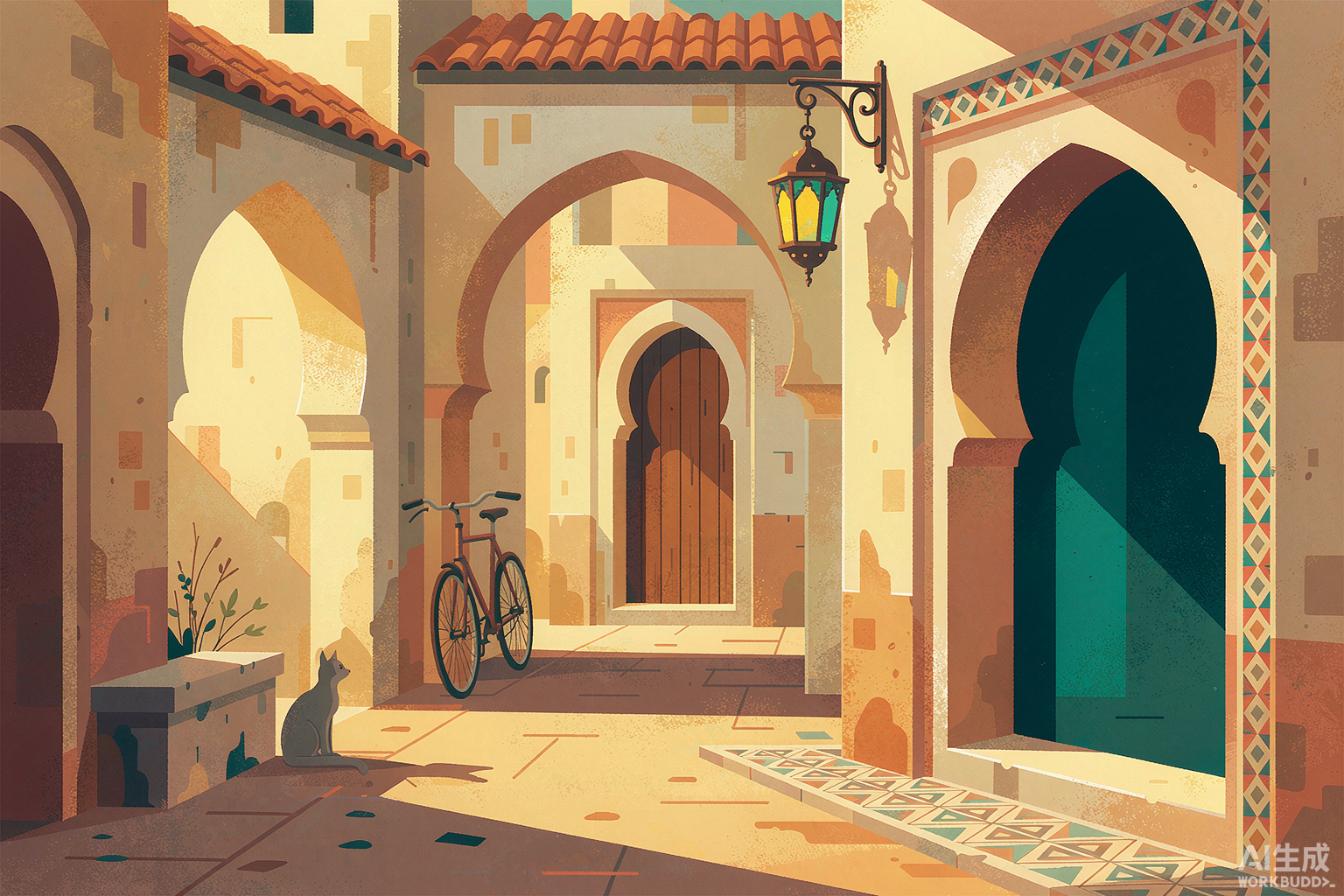
Yazd is a city built for heat. Mud-brick walls a metre thick, windcatchers (badgirs) rising like chimneys over every rooftop to catch the faintest breeze, and beneath the old city, a qanat — one of the ancient underground channels, inscribed by UNESCO in 2016, that carried snowmelt from distant mountains through the desert for two thousand years.
A note from the editors: this is a sample story, published to show the shape of the Stories section while the site is new. It is a composite drawn from documented accounts of the city, not a first-hand report — when the author travels to Yazd, it will be replaced with the real thing. The city facts below are accurate and sourced; the tea house scene is illustrative.
In the heart of the old city, down an alley so narrow the shadows never quite leave the ground, there is a tea house built into the shell of an old water mill. You descend steps into a cool stone room; water runs in a channel down the middle, past low platforms covered with carpets. The ceiling is the original brick vault. There are beds (takhts) by the water, and old men sleeping off the noon heat on them, shoes off, canes across their chests.
I ordered tea the only way I could — held up one finger, pointed at the samovar. The waiter, a man somewhere between fifty and seventy in a grey sweater, nodded and brought a glass of qaeli: dark, sweet, brewed with cardamom and rosewater, with a sugar lump on the saucer. When the plate of baghlava arrived unasked a minute later, I understood I had accidentally ordered the set.
At the next platform, four old men were playing backgammon with the unhurried violence of men who have been playing against each other for forty years. One of them looked at me, looked at my notebook, and gestured at the board. I don’t play backgammon. I sat down anyway.
What followed was two hours of the best conversation I’ve never had. We established, through gesture, that I was from very far away; that the tea was good (unanimous); that my Persian vocabulary of six words was terrible (much laughter, a free remedial lesson). The youngest of the four — perhaps sixty — brought out his phone and showed me photographs of his grandchildren in Tehran. I showed him photographs of my city. He studied them for a long time, pointed at a grey sky in one, and made a face of profound pity.
When I got up to leave, the argument about the bill was brief and one-sided. The tea was a hundred thousand rials — about forty cents — and the backgammon lesson, it was made clear to me, could not be charged for, because among friends tea is free and among friends lessons are free, and we were friends now.
I have been to the great sights of the world, and I recommend them honestly on this site. But if you asked me for the single afternoon I would relive from years of travel, it would be that one: a cool stone room, running water, backgammon, and no language at all.
Yazd is full of rooms like that. That is the promise the city makes, and the facts of the city back it up: the mill tea houses, the water channels, the long shade. Go sit in one. Bring nothing but time and six words of Persian.
This story is a personal narrative. The city facts — the qanat system, the badgirs, the old-city fabric — are documented in the UNESCO inscription for the Historic City of Yazd (2017), linked below. The illustration marks the mood; the tea was darker.