Routes · Oman
Oman Without a 4x4: Muscat, Nizwa and the Interior
Oman's deserts and forts aren't off-limits if you won't drive off-road. An eight-day route by bus, paved road and taxi — with the places a 4x4 actually adds nothing.
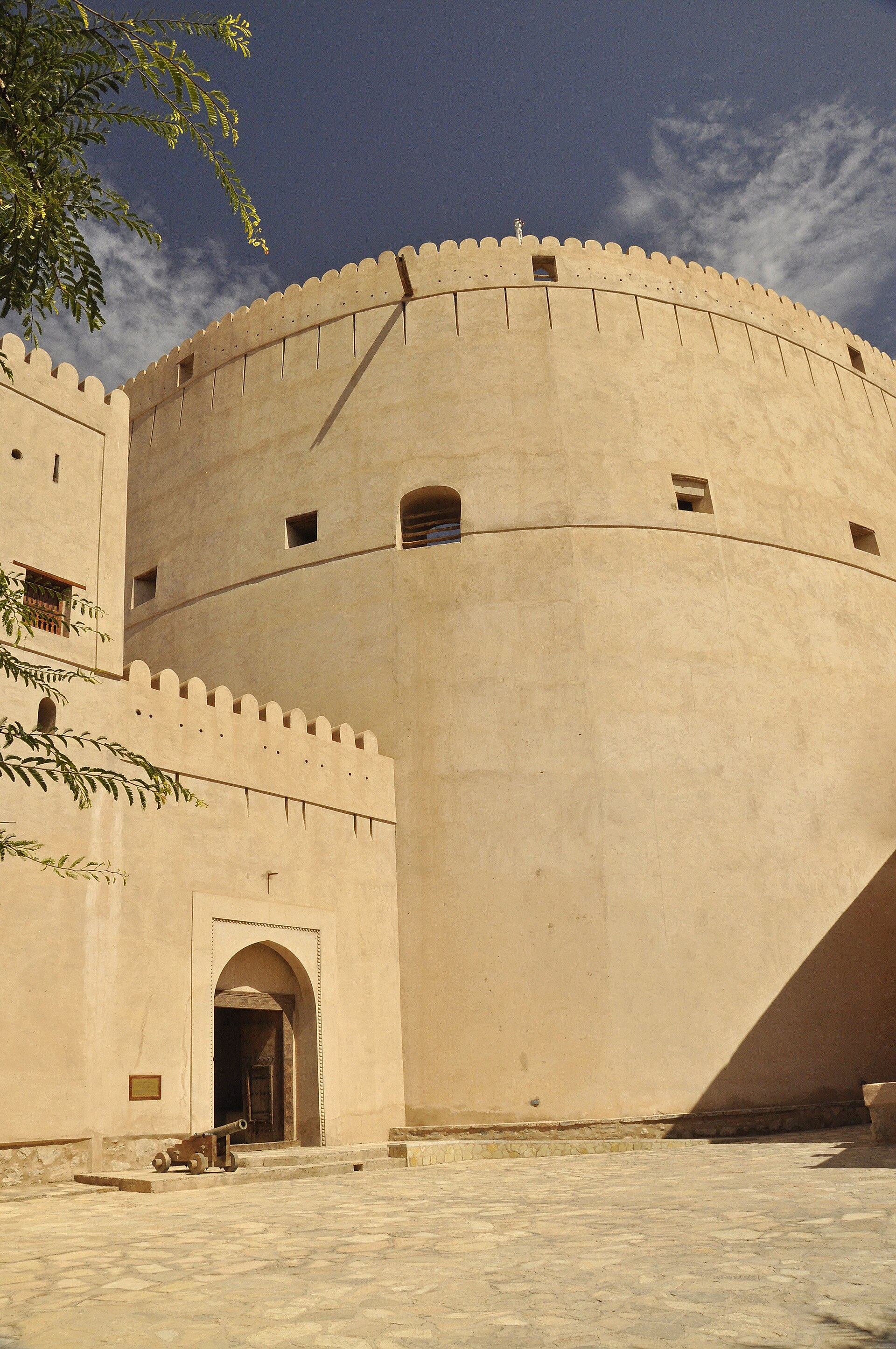
Everyone tells you Oman needs a 4x4. Everyone is selling you a 4x4. The truth is that Oman’s historic heart — the forts, the oases, the ancient irrigation, the old capital — was built by people without cars, and much of it sits on paved roads a saloon car handles fine. This route skips only what genuinely requires four-wheel drive, and loses nothing you can’t see.
Days 1–3: Muscat, slowly
Fly into Muscat and give it three days, because the city’s pleasure is not the sights (good as they are) but the texture: white low-rise buildings, frankincense in the air, the corniche at dusk.
- Sultan Qaboos Grand Mosque — the carpet is one of the largest hand-woven in the world; go early, dress covered, and it’s free.
- Muttrah Souq and corniche — do the souq at evening when it lives, then walk the curved waterfront.
- Al Alam Palace and the old Muscat quarter, plus one of the two forts above it for the harbour view.
- The opera house district for coffee, if you want the modern Gulf counterpoint.
Muscat is long and thin — taxis between districts are the norm even for locals.
Day 4: Bus to Nizwa
The bus from Muscat to Nizwa takes about two and a half hours on good highway and drops you near the centre. Check in, then spend the afternoon on the Nizwa Fort, built in the 1650s around one of the largest round towers in Arabia — a tower designed, the guides will tell you, to withstand siege and time, and it did both.
Next morning, if it’s Friday, get to the goat market at dawn: animals sold in a sunlit scrum in the ring beside the fort, bidding done in nods and flicks. Even if Friday doesn’t fall in your window, the morning souq — dates, clay pots, silver khanjars, frankincense — justifies the early start.
Day 5: Bahla and Jabrin by taxi
Book a taxi for the day (a half-day suffices if you’re brisk). Two stops:
- Bahla Fort — Oman’s first UNESCO World Heritage site, inscribed in 1987, a vast mud-brick pile above an oasis town famous for its pottery and its wall, which runs kilometres around the old town. After controversial restoration, the fort was removed from UNESCO’s danger list in 2004 and reopened.
- Jabrin Castle — smaller, and better: a 17th-century palace-fort with painted wooden ceilings, a library, and rooms designed for scholars rather than garrisons. Climbing between floors via original stairs is half the fun.
On the way back, stop at a Bahla pottery workshop — the town’s craft tradition is as old as its fort.
Day 6: Misfat Al Abriyeen and the aflaj
The interior’s real UNESCO story is not the forts but the aflaj — the gravity-fed irrigation channels, inscribed in 2006, that have moved water from springs to palm groves for up to 2,500 years. You can walk alongside one without trying: in the stone village of Misfat Al Abriyeen, an hour’s taxi from Nizwa, the falaj runs through the terraces under your feet while date palms and bananas climb the hillside above.
Walk the village paths early, respect the private courtyards, and if a farmer offers to show you where the water divides between fields — say yes. Water rights here are measured in time shares, some of them centuries old.
Day 7: Wadi Bani Khalid
The most accessible of Oman’s famous wadis: paved road almost to the water, emerald pools under palms, and a cave spring a short scramble inland. It’s popular — go with the morning or late-afternoon crowds or accept company — and swimming is welcome. From Nizwa it works as a long half-day with a pre-booked taxi.
Day 8: Back to Muscat (or onward)
Bus back to the capital with a last evening at Muttrah. If you have a ninth day, the Bimmah sinkhole sits off the coast highway south and needs no off-road vehicle either.
What you’re honestly missing
A 4x4 gets you: the Jebel Akhdar plateau (rose terraces, dramatic villages — reachable on a day tour with a driver if you want it), deep Wahiba Sands (any camp will collect you from the paved road), and harder wadis. Book those as tours from Muscat or Nizwa and you get the experience without the rental, the insurance, or the checkpoint conversations. The travel-advice basics are simple: summer heat is the region’s real hazard, remote areas need water and daylight, and roads between the sights in this route are ordinary highway.
Practical, beautiful, and cheaper than the overlanding forums claim. The interior was keeping its water for millennia before anyone had four driven wheels — it will still be there when you arrive by bus.
Frequently asked questions
Do I really need a 4x4 in Oman?
Only for three specific zones: Jebel Akhdar's summit plateau (the checkpoint enforces 4WD), deep Wahiba Sands, and wadi routes that cross rough tracks. Everything in this route — Muscat, Nizwa, Bahla, Jabrin, Misfat Al Abriyeen, Wadi Bani Khalid — is reachable by paved road, bus or taxi.
How do I get from Muscat to Nizwa without a car?
Buses and shared coaches run from Muscat to Nizwa several times a day and cost a few rials. From Nizwa, taxis are the practical way to reach Bahla, Jabrin and Misfat — agree the price before setting off, and book the driver for a half or full day for the fort circuit.
When should I go?
October to April. Summer interior temperatures routinely exceed 45°C, and the government itself restricts some mountain activities in the hottest months. Winter days are warm, nights in Nizwa can be genuinely cold.