Routes · Iran
The Classic Iran Route: Tehran to Shiraz in Three Weeks
Tehran → Kashan → Isfahan → Yazd → Shiraz, with realistic leg times, how many nights each stop deserves, and what to cut if you have two weeks instead.
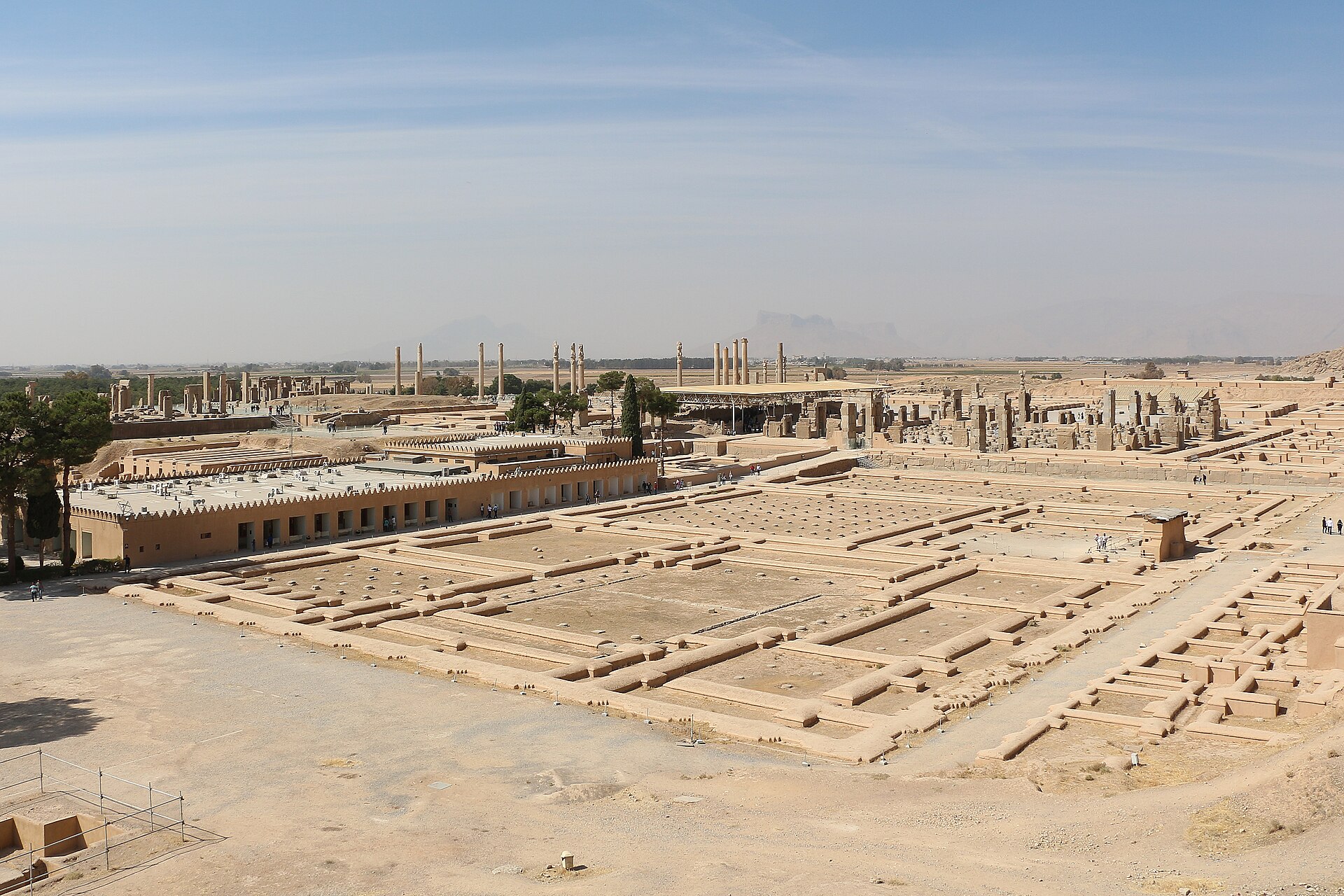
This is the route most first-time visitors to Iran end up taking, and for once the conventional wisdom is right — it moves steadily south, keeps each leg to half a day or less, and finishes in Shiraz, which is the most relaxed of the five cities. Below is the shape of it with realistic timings, honest notes on what each stop deserves, and a two-week version at the end.
A note on timings: the leg times below are approximate road/rail durations and should be confirmed locally when you book. Iranian intercity transport is frequent and cheap, but schedules shift seasonally.
The route at a glance
| Leg | Approx. time | Mode |
|---|---|---|
| Tehran → Kashan | 2.5–3 h | Bus or car |
| Kashan → Isfahan | 2.5–3 h | Bus or car |
| Isfahan → Yazd | 4–4.5 h | Bus, or car |
| Yazd → Shiraz | 5–6 h | Bus or car |
| Shiraz → Tehran | 1.5 h | Flight (recommended over the 15 h drive) |
Tehran — 2 nights
Most travellers want to leave Tehran immediately. Don’t, quite. Two nights is enough to see the Golestan Palace (inscribed 2013), the National Museum and, if you care about modern art, the Tehran Museum of Contemporary Art — which holds one of the most significant collections of Western modernism outside Europe, a fact that surprises almost everyone.
Use Tehran for the logistics: get your cash changed, buy a SIM, and fix the first bus ticket.
Kashan — 1–2 nights
A small desert-edge city with two of the country’s great historic houses — the Borujerdi and Tabatabaei houses — and the Fin Garden, included in the Persian Garden World Heritage inscription of 2011. Kashan is also one of the two carpet-weaving cities UNESCO recognised in 2010 (the other is Fars), so this is a good place to look at carpets with some context.
If you’re short on time, this is the stop to cut. If you have three weeks, keep it — it’s the gentlest introduction to the desert-edge architecture.
Isfahan — 3 nights minimum
The anchor of the trip. Naqsh-e Jahan Square (Meidan Emam, inscribed 1979) deserves a full day on its own: the Royal Mosque, Sheikh Lotfallah, Ali Qapu and the Qeyssariyeh portico, plus the covered bazaar. Then the Friday Mosque (Masjed-e Jāmé, inscribed 2012) and the Chehel Sotoun and Hasht Behesht gardens.
Three nights is the floor. Four is better, because Isfahan rewards slowness more than any other city on this route — the pleasure is in the second walk, not the first.
Yazd — 2 nights
The Historic City of Yazd was inscribed in 2017, and the reason is visible from any rooftop: an intact desert-city fabric of mud-brick, windcatchers (badgirs) and domes, threaded by the qanat water system (the Persian Qanat inscription, 2016). Yazd is also the centre of Zoroastrian heritage in Iran — the Fire Temple and the Towers of Silence are both here.
This is where the “tea house in a converted mill” experience happens. Keep an afternoon free for it.
Shiraz — 3 nights
Three things make Shiraz essential:
- Persepolis (inscribed 1979) — the Achaemenid ceremonial capital, 60 km out, and one of the most important archaeological sites in the world. Give it a half-day, minimum, and go early.
- Naqsh-e Rostam and Pasargadae (Pasargadae inscribed 2004) — the royal tombs and Cyrus’s capital, combinable with Persepolis in one long day by car.
- The city itself — the Eram Garden (part of the Persian Garden inscription), the Vakil bazaar, and the shrine of Shah Cheragh.
Shiraz is also the gateway to Fars, which means carpets and Qashqai nomad country if you want to push further.
The two-week version
If you have 14 days, cut it like this:
- Drop Kashan (−1 to −2 nights)
- Isfahan: 2 nights instead of 3 (painful but survivable)
- Tehran: 1 night (arrival and departure only)
- Yazd: 2 nights, Shiraz: 3 nights — protect these
- Fly Shiraz → Tehran rather than driving back
You’ll end up with roughly: Tehran (1) → Isfahan (2) → Yazd (2) → Shiraz (3) → Tehran (1), plus travel and buffer days. It works. It’s just brisk.
Practical essentials
- Cash. No international cards work in Iran. Bring the full budget in EUR or USD.
- Sequence. Book intercity buses a day ahead at the station or through your hotel; the network is dense and rarely full outside Nowruz (March) and peak autumn.
- Nowruz warning. The two weeks around 21 March are the busiest domestic travel period of the year. Prices rise, transport fills, and many small businesses close. Wonderful if you want to see the festival; difficult if you want a quiet trip.
- Heat. July–August in Yazd and Kashan is punishing. April–May and October–November are the sweet spots.
The verdict
This route works because the cities are genuinely different from each other: Tehran is administrative and modern, Kashan is merchant-desert, Isfahan is imperial, Yazd is an intact medieval desert town, and Shiraz is literary and easy. Fifteen hours of bus travel buys you five distinct civilizations’ worth of architecture. There is no better first route in the region.
Frequently asked questions
How long do you need for the classic Iran route?
Three weeks is the honest minimum to do Tehran, Kashan, Isfahan, Yazd and Shiraz without rushing. Two weeks is possible if you drop Kashan and cut Isfahan to two nights.
Should I travel by bus, train or car in Iran?
Intercity buses are cheap, frequent and comfortable, and cover every leg on this route. Trains are good on the Tehran–Isfahan and Tehran–Yazd corridors. Hiring a car with a driver is the most flexible option and not unreasonable for two or more people.
Is the order Tehran → Kashan → Isfahan → Yazd → Shiraz the best one?
Yes for a first trip: it moves steadily south, ends in the most relaxed city, and every leg is a manageable half-day. Doing it in reverse also works and puts Shiraz's sites first.