Practical · Region-wide
UNESCO Sites of MENA: An Opinionated List of the Ones Worth Your Time
There are well over a hundred World Heritage sites between Morocco and Iran. Most lists are exhaustive; this one tells you which ones justify the detour.
World Heritage lists are comprehensive by design, which makes them useless as itineraries. There are well over a hundred inscribed sites between Morocco and Iran, and the honest ranking criteria are not “outstanding universal value” but three things travellers actually care about: is it worth the detour, can you understand it when you arrive, and does it still feel alive?
This is that list. It is deliberately incomplete and openly opinionated.
The unmissables (book the trip around these)
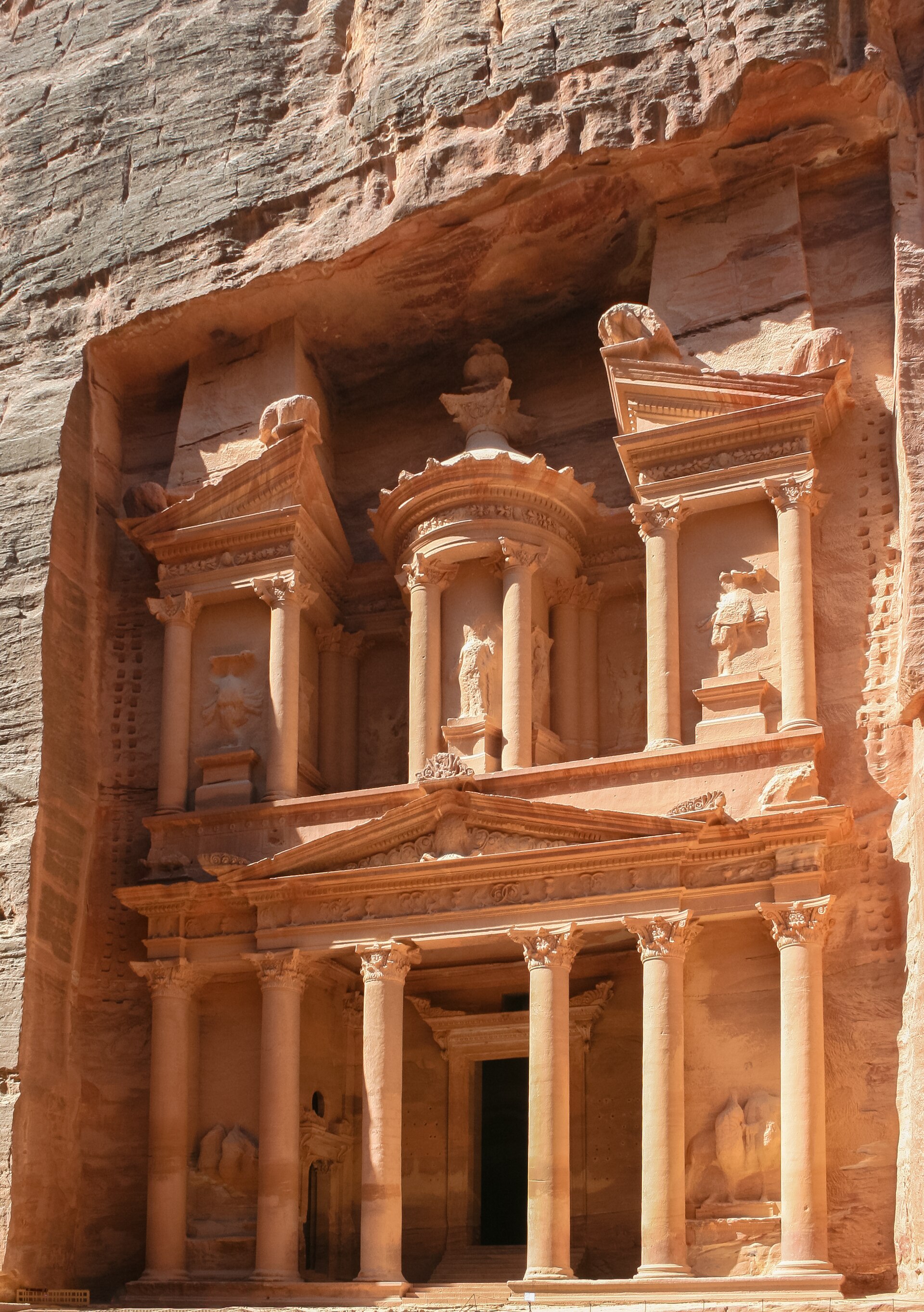
Petra, Jordan. Inscribed 1985. The obvious pick and still the right one — the approach through the Siq is one of the great pieces of urban theatre in the world. Go at opening, not at noon.
Persepolis, Iran. Inscribed 1979. Achaemenid ceremonial capital, reliefs that read like a census of an empire. Two hours from Shiraz; combine with Naqsh-e Rostam.
Fez medina, Morocco. Inscribed 1981. UNESCO calls it one of the best-conserved historic towns of the Arab-Muslim world, and the citation is not exaggerating — it is a working city with a thousand-year-old street plan.
Isfahan, Iran. Inscribed 1979 as Meidan Emam. The square is among the largest in the world, and the surrounding bazaar, mosques and palace make one afternoon insufficient.
Luxor and the Theban Necropolis, Egypt. Inscribed 1979. The densest concentration of ancient monument in the world. Nothing else is close.
Wadi Rum, Jordan. Inscribed 2011 as a mixed natural-cultural site. Not ruins — landscape — and best experienced sleeping in it rather than photographing it from a jeep.
The ones people skip and shouldn’t
Yazd, Iran. Inscribed 2017. A living desert city whose windcatchers and underground channels still work. See our full guide.
Bahla and the aflaj, Oman. Bahla Fort (1987) plus the irrigation channels (2006). The fort is vast; the water system is the more interesting heritage, running under the palm groves.
Dougga, Tunisia. Inscribed 1997. The best-preserved Roman small town in North Africa, on a hill, with almost no visitors.
Mada’in Salih (Hegra), Saudi Arabia. Inscribed 2008. Petra’s lesser-known twin — Nabataean rock-cut tombs without the crowds. Now genuinely accessible to tourists.
Merv, Turkmenistan. Inscribed 1999. One of the great Silk Road cities, now a field of mud-brick ruins. Difficult, and worth it.
Aflaj and the Omani interior generally: Oman’s inscribed sites are spread out and reward slowness over coverage.
The overrated (go, but lower your expectations)
The Pyramids as a “site”. Giza is inscribed as part of “Memphis and its Necropolis” (1979) and is genuinely astonishing — but the experience around it is a negotiation. Budget for it.
Marrakesh’s Jemaa el-Fna. Inscribed 2001 as intangible heritage, not a monument. The square is a spectacle; the surrounding medina is where the city actually is.
Most “old cities” in Gulf capitals. Often reconstructed rather than conserved. Not dishonest, just not the same thing.
Practical rules that apply to all of them
- World Heritage status means conservation rules, not visitor facilities. Expect closed sections, scaffolding, and limited interpretation. That is the price of authenticity.
- Go early. Nearly every site on this list is transformed by arriving at opening — light, temperature, and the absence of buses.
- Hire a licensed guide at the complex ones (Persepolis, Merv, Dougga). It is the difference between seeing stones and seeing a civilisation.
- Check the site’s own UNESCO page before travelling — it lists conservation status and any closures. The listing page, not the tourism board’s, is the honest source.
- Never climb the monuments. Rock-cut tombs, mosaics and mud brick all lose to shoes. Several sites on this list have restricted areas precisely because visitors wouldn’t stop.
The value of a list like this is not completeness but triage: if you have ten days, these are the sites that repay the journey most reliably. Add the rest when you have ten weeks.
Frequently asked questions
How many World Heritage sites are in the Middle East and North Africa?
Well over a hundred, spread across roughly twenty countries. Iran and Morocco each hold a couple of dozen, Egypt around seven, Oman five, Jordan six. The number rises most years as new sites are inscribed, so treat any fixed figure as a snapshot.
Is a World Heritage listing a guarantee of a good visit?
No. Listing reflects outstanding universal value, which can mean archaeological importance rather than visitor appeal. Some inscribed sites are fenced ruins with no interpretation; others are whole living cities. This list is about the second kind.
Do I need to book ahead for the popular ones?
For Petra, yes — buy the Jordan Pass before arrival and start at dawn. For most others, arriving early is enough. Iranian sites generally require no advance booking, but opening hours shorten in winter and during Ramadan across the region.