Practical · Region-wide
Is the Middle East Safe for Solo Travelers? An Honest Answer
What government travel advisories actually say, which countries are easy solo and which need planning, and the handful of habits that matter more than fear.
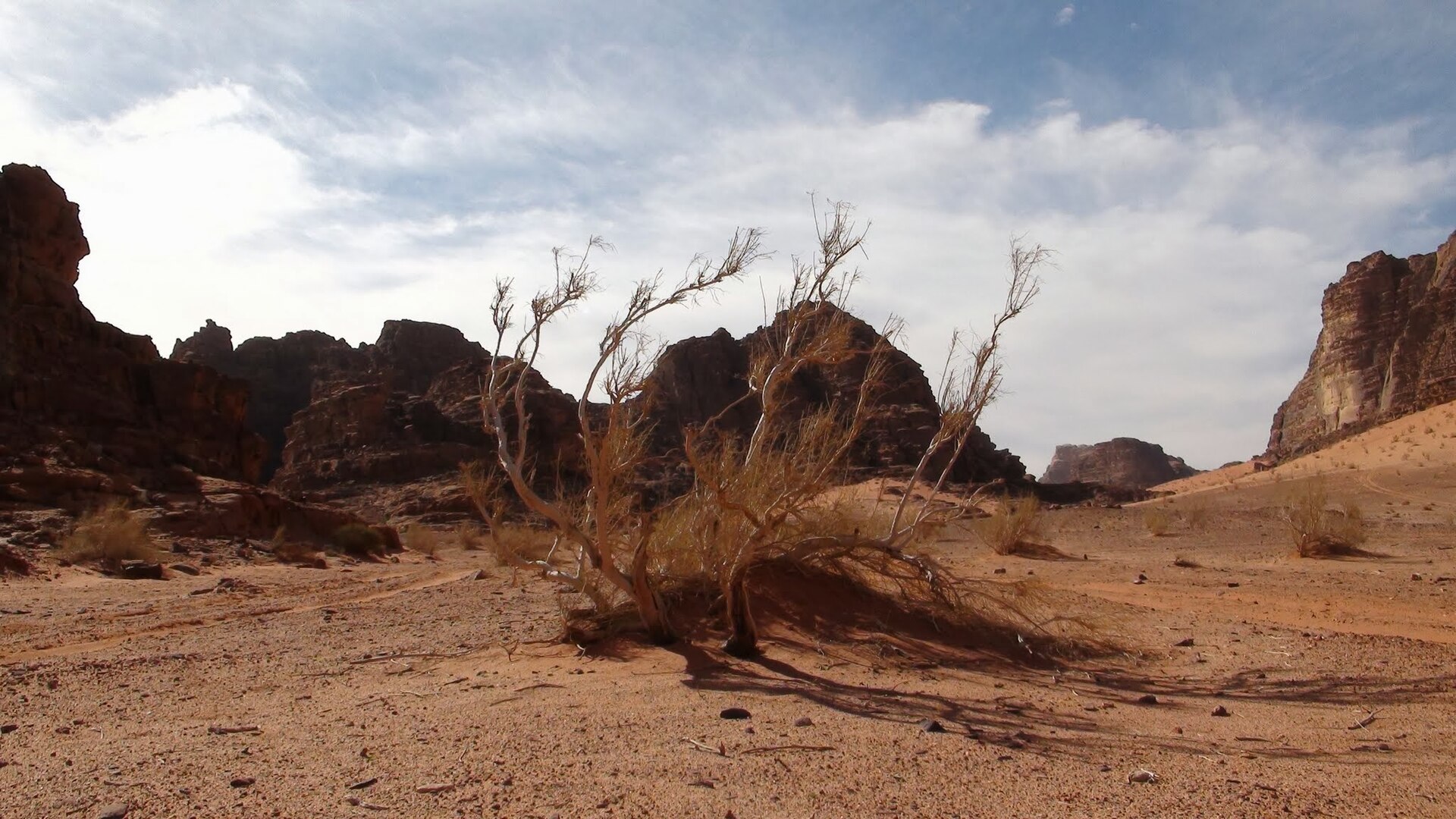
The honest answer is: “the Middle East” is not a place, so the question has no single answer. The region spans countries whose travel advisories are greener than much of Europe’s and countries where independent travel isn’t possible at all. What follows is how to read the difference — and what actually matters once you’ve picked your country.
Read advisories like a professional, not a tourist
Government advisories (GOV.UK, the US State Department, Canada’s travel.gc.ca) are blunt instruments, but they share one useful feature: they are country-by-country and region-by-region. A typical advisory will say “do not travel to border area X” and, in the same document, describe the capital’s main tourist regions as normal destinations. Jordan’s advisory, for instance, discusses specific border zones and refugee camps while treating Amman, Petra, Wadi Rum and the Dead Sea as ordinary travel — because that is what they are. Oman’s similarly centres on remote desert and mountain areas, heat, and the annual cyclone season.
So the correct reading procedure is:
- Open the advisory for your nationality (rules genuinely differ — dual nationals especially).
- Find the map. If your whole itinerary is in the green zones, the headline country risk is mostly about places you aren’t going.
- Separate political risk (avoid the zones named) from environmental risk (heat, floods, mountain roads), which is usually the bigger real-world danger for tourists.
The countries, roughly grouped
- Easy solo, big tourism infrastructure: Jordan, Oman, UAE, Morocco, Tunisia. You can book as you go, meet other travellers, and recover from mistakes easily.
- Easy solo, fewer tourists: Egypt is largely safe on the tourist circuits (Cairo, Luxor, Aswan, Red Sea) but has a scamming culture that tired solo travellers find wearing; Georgia and Armenia, at the region’s northern edge, are among the easiest anywhere.
- Needs planning or a guide: Saudi Arabia is straightforward for tourists now but has strict rules; Algeria is rewarding and calm by its neighbours’ standards with thin tourism infrastructure; Iran requires US/UK citizens to take licensed guided tours — for many other passports independent travel is fine.
- Not appropriate for tourism now: conflict zones — Syria, Yemen, Libya — plus parts of several countries their own advisories carve out. This changes; always check current guidance, not this list.
What actually goes wrong (and usually isn’t dramatic)
Compiled from how trips really fail: traffic accidents, heat, dehydration on desert hikes, petty scams at major sites, and the slow-motion failure of over-ambitious itineraries. Violent crime against tourists is rare in the easy-list countries — rarer, in places, than in large Western cities — and street harassment, while real, is mostly verbal and mostly avoidable with dress and confidence.
The habits that matter:
- Dress modestly by local standard. Not for safety theatre — because it changes every interaction you’ll have, from checkpoints to tea offers.
- Use registered taxis or apps (Careem and Uber operate in Amman, Dubai, Cairo and others), especially at night.
- Avoid intercity night driving — unlit trucks, animals, and mountain roads are the real hazard.
- Carry paper. Hotels may keep passports overnight (normal, legal in several countries); carry photocopies and know where your embassy is.
- Share your route. Someone at home should have a rough plan, as anywhere remote.
On being alone — the honest part
Solo travel in much of MENA is less lonely than in Europe. Hospitality is culturally load-bearing: the traveller who accepts a tea is often adopted for an afternoon. The challenge is the opposite of isolation — it is managing generosity without exhaustion, and knowing when “come to my cousin’s house” is genuine (usually) versus when it precedes a carpet sale (occasionally in the bazaars of the big tourist cities).
The fear a headline produces and the risk a street contains are different quantities. Choose your countries with care, read your own government’s current advice, drive less, drink more water, and say yes to the tea. That is most of it.
Frequently asked questions
Which MENA countries are easiest for a first solo trip?
Jordan, Oman, Morocco, Tunisia and the UAE are the usual answers: stable tourism infrastructure, English widely spoken in the industry, and well-trodden routes. Jordan and Oman in particular are small enough that plans survive contact with reality.
Is Iran safe to visit alone?
Citizens of the US and UK generally must join an organised, guided tour with a licensed guide — independent solo travel isn't permitted for them, whatever their comfort level. Many other nationalities can travel independently. Check your own country's advisory before planning anything.
What's the single biggest safety difference versus Southeast Asia or Europe?
Roads. Traffic risk is statistically the most dangerous part of most trips to the region — intercity driving at night, mountain roads, and aggressive overtaking. Buses and trains are usually safer than rented cars, and night driving is worth avoiding outright.