Practical · MENA
Travelling in Ramadan: What Changes, What Doesn't, and How to Plan
Ramadan reshapes the rhythm of every MENA country: fast days, feast nights, quieter mornings. What travellers should expect, day by day and hour by hour.
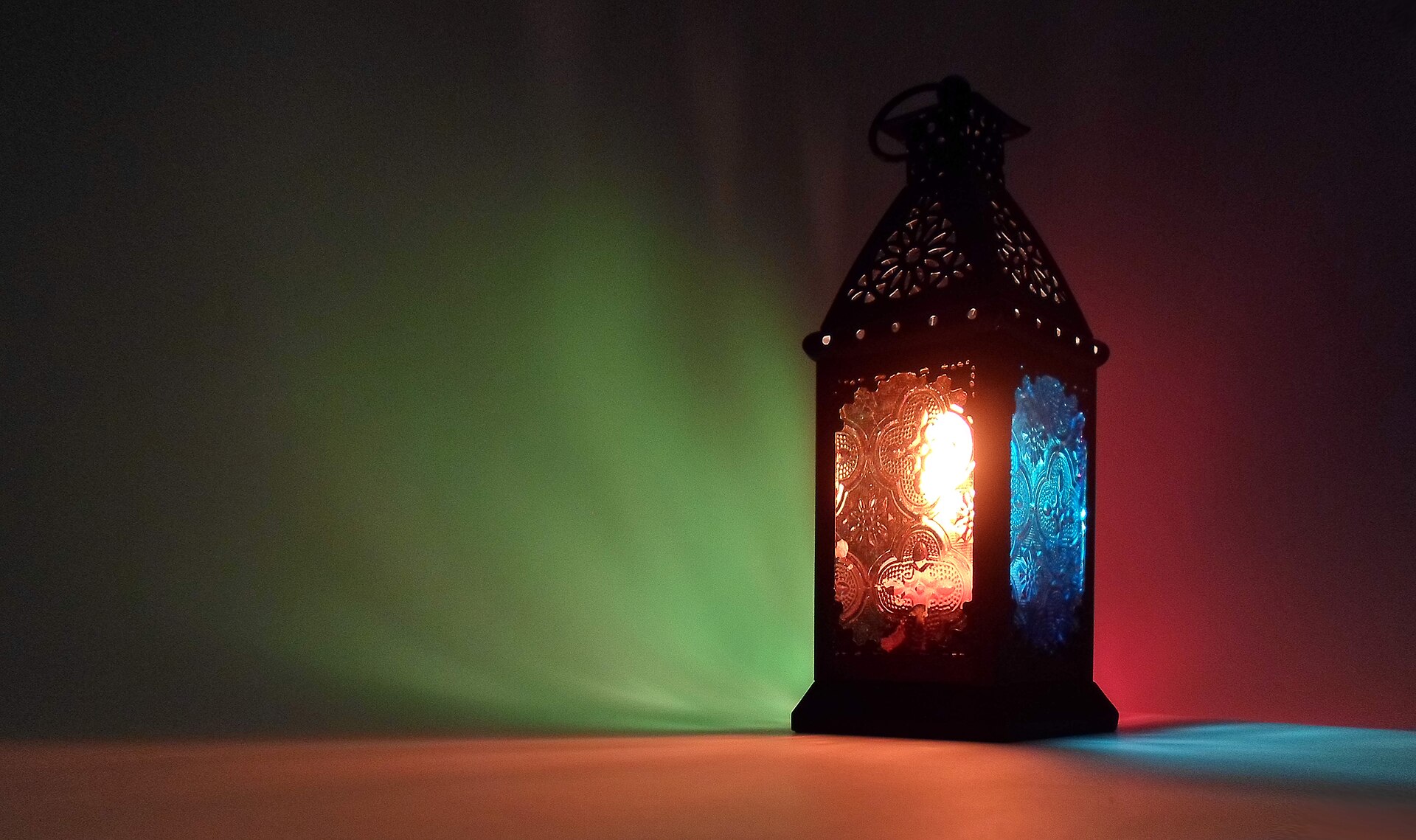
Ramadan is the biggest event in the Muslim calendar, and it runs on a clock unlike any other festival: a month, dawn to dusk, of fasting for most adults in most of the region. For a traveller it is neither a disaster nor an inconvenience to ignore — it is a different operating system, and knowing how it boots makes the trip better.
What actually changes
Daytime (roughly 5am–6pm, varies by country and season):
- Muslims abstain from food, drink and smoking between dawn and sunset.
- In most countries this does not apply to non-Muslims or travellers — but discretion is expected: no eating on the metro, no coffee on the sidewalk in front of a mosque.
- Restaurant hours shrink; hotel and tourist-zone kitchens stay open.
- Working hours shift: offices open late, close early, and the pace until noon can be slow.
Sunset (iftar):
- Everything stops. A cannon, a siren or a phone app signals the fast’s end, and the whole country sits down at once.
- Restaurants fill hours ahead; tables at popular places are booked days out. Book, or accept hotel iftar.
- After iftar, cities light up — evening is the prime social window, and in Egypt, Morocco and the Gulf, Ramadan nights with their lanterns, fairs and tents are a genuine attraction.
Country-by-country temperature
- Egypt, Jordan, Morocco, Tunisia: fasting is widely observed but daily life visibly continues; tourists eat freely in cafés that choose to open.
- Gulf states (Saudi, Qatar, Kuwait): stricter. Eating or drinking in public during the fast can be formally prohibited — plan to eat indoors.
- Türkiye: the most relaxed for visitors. Istanbul’s tourist districts run normally, while more conservative cities (Konya, Şanlıurfa) slow noticeably at dawn and dusk.
- Iran: observance is near-universal; restaurants close by day, and eating in public is prohibited and policed. Hotel service for travellers continues.
The travel-time traps
- Two rush hours, not one. Traffic doubles in the hour before sunset (everyone driving home to iftar) and again after dinner. Schedule flights and transfers away from sunset.
- Short business days. Museums and offices may open at noon and close by mid-afternoon; some private museums close entirely. Check opening hours the week you travel, not the season before.
- Eid at the end. The festival of Eid al-Fitr follows the last fast — expect 2–3 days of closed offices, packed transport (domestic travel on Eid days is the peak of the year) and joyful crowds. Eid itself is worth seeing; the day before, travelling, is not.
- Dates move yearly. Because the calendar is lunar, Ramadan slides ~11 days earlier each Gregorian year. Never assume last year’s dates; verify for your country.
How to be a good guest during Ramadan
- Eat and drink inside where public observance is strong; anywhere, during daytime, avoid doing it pointedly in front of those fasting.
- Greet it: Ramadan Mubarak works everywhere, Ramadan Kareem in much of the Arab world.
- Accept iftar invitations if offered — feeding guests at iftar is the season’s highest hospitality, and one dinner will teach you more than a week of sightseeing.
- Expect shorter tempers at 5pm (no caffeine since dawn is real) and enormous warmth at 7pm. Plan requests accordingly.
The upside most guides skip
Travellers who have visited during Ramadan tend to say the same thing: the days are quieter, but the nights are the trip. Lantern streets in Cairo, iftar tents in Dubai, taraweeh prayers spilling into courtyards in Damascus and Fez — a month when the social life of these cities moves outdoors after dark and strangers feed each other in the street.
Plan around the rhythm instead of against it, and Ramadan is not an obstacle to a MENA trip. It is one of the best times to take one.
Frequently asked questions
Can non-Muslims eat and drink during the day in Ramadan?
Yes in most countries, but where and how matters. Hotels, tourist cafés and malls with indoor food courts serve normally. In more conservative places (Saudi Arabia, and provincial areas elsewhere) public daytime eating is restricted or frowned on — carry snacks and eat discreetly indoors.
When is Ramadan, and does it move?
Ramadan is the 9th month of the Islamic (lunar) calendar, so it shifts about 11 days earlier each solar year and lasts 29–30 days. Dates are confirmed by moon sighting and vary by a day between countries — check the dates for your specific country before booking.
Is sightseeing actually worse during Ramadan?
Mornings are quiet and some smaller sites and restaurants open late or close. Evenings are the opposite: streets, fairs and food stalls come alive after iftar. Many experienced travellers consider Ramadan nights the best time to visit Egypt, Morocco or the Gulf — you just need to flip your schedule.