Practical · MENA
Bargaining in the Souq: The Rules, the Ranges, and When to Stop
Haggling is a social skill with grammar, not a knife fight. Where it is expected, where it is not, what discount is actually on the table, and the moves that end it gracefully.
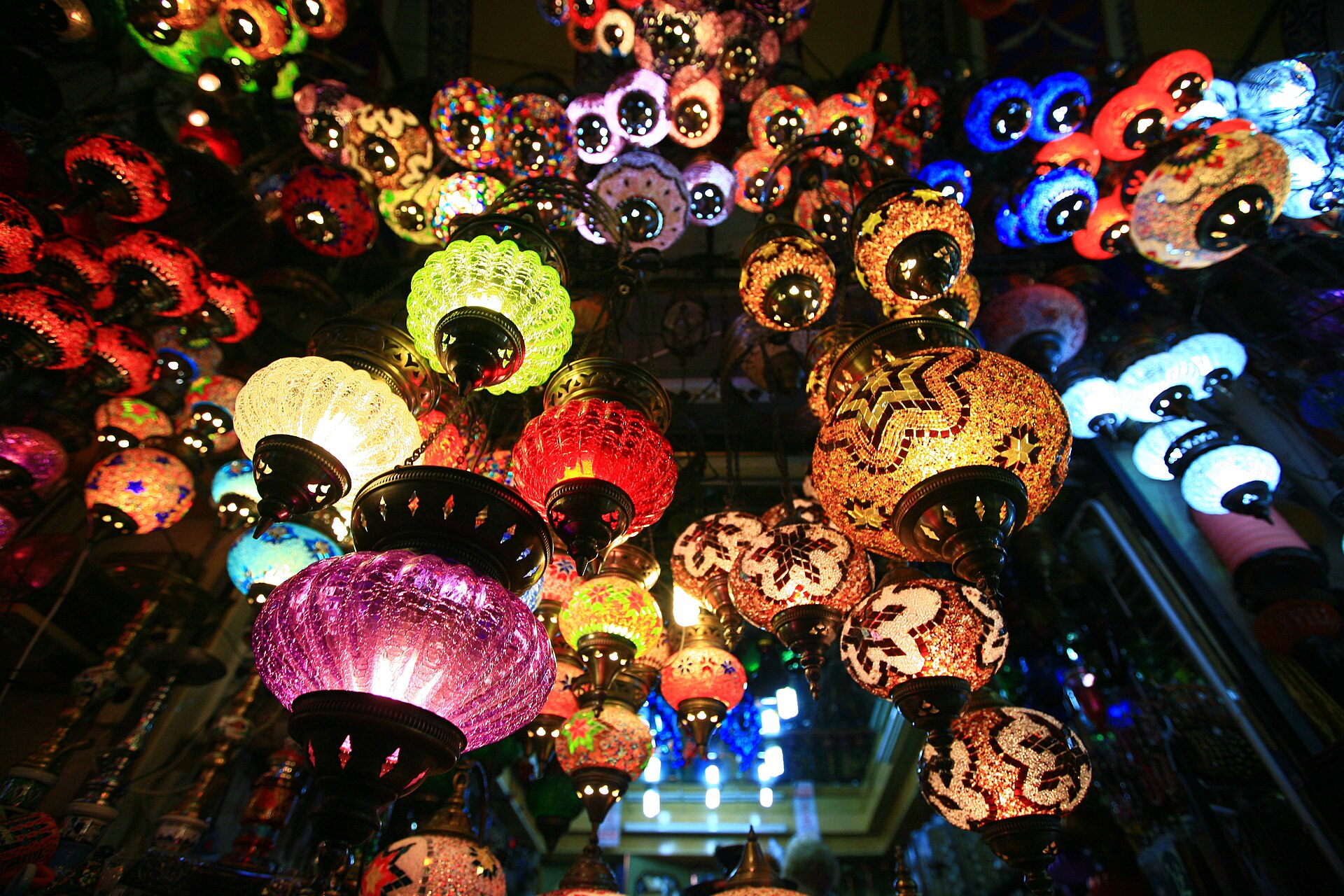
Every guidebook tells travellers to bargain in the souq. Almost none explains that haggling is a structured social exchange with its own grammar — and that the fastest way to a bad price is to treat it like a fight.
Where bargaining lives — and where it doesn’t
First, the boundary, because crossing it is the most common traveller error:
- Bargain: bazaar stalls, artisan workshops, carpet shops, anywhere there is no price tag, and anywhere the seller opens with “my friend, looking is free.”
- Don’t bargain: bakeries, pharmacies, supermarkets, museums, taxis with meters, and anything with a printed price — the margin is zero or near it, and asking reads as “I think you cheat locals.”
- Ask first: small handicraft shops and co-ops. “Is the price fixed?” is a completely normal, polite question everywhere in the region.
The four-move structure
Bazaar haggling across Marrakech, Istanbul, Damascus, Tehran and Cairo follows a recognisable script. Learn the moves once and they translate everywhere:
1. Interest, not desire. Ask about the object before the price — where it was made, how it is made. This is genuine information and it signals you are a buyer, not a browser. The seller’s first price is quoted only when they believe you might actually purchase.
2. The counter, once. When the price comes, look thoughtful and offer roughly half of what you would actually pay. Not 20% of the opening figure — opening figures for tourist goods are often double the realistic number, so the counter anchors the middle.
3. Convergence, slowly. Expect two or three rounds. Move in decreasing steps; if you jumped 20 dirhams last round, don’t jump 20 again. The seller’s steps tell you where their floor is. When their discounts get smaller, you are close.
4. The exit, politely. Two exits exist and both are legitimate:
- Agree, shake hands, pay. A handshake at an agreed price is binding in bazaar culture — do not re-open it.
- Walk away, warmly: “It’s beautiful, but more than I can spend.” This is not rude; it is a standard move, and sometimes it produces the final price as you leave. But do not walk away having promised to return “later” if you won’t — that’s the one exit that burns the relationship.
The numbers, honestly
For tourist-oriented goods — carpets, lanterns, brass, “antique” anything — the opening price commonly carries 30–60% of room. For the daily items locals buy, there is no room at all. Souvenir soap at a fixed 3 dirhams is not an opening offer.
A note on “antiques”: assume nothing sold openly in a bazaar is genuinely old, whatever the story. Buy objects for what they are, at prices you think fair, and let any provenance tale be a bonus story rather than the reason for the price.
The three mistakes that cost money
- Revealing your ceiling early. “I can go to 300” is the seller’s new floor.
- Bargaining over trivial sums. Grinding a man down over the equivalent of one euro on a 4-euro item wins the euro and loses the tone. The etiquette guides on this site say it plainly: generosity is part of the region’s own economy of reputation.
- Bargaining hungry and tired at 6pm. The pre-sunset hour is when sellers know travellers crack. Come in the morning; the tea is better too.
When the bargaining becomes the point
Plenty of regulars will tell you the truth the guidebooks skip: a good haggling session in a bazaar is not extraction, it is conversation with prices attached — two people establishing, in the region’s oldest institution, that each is dealing with a person rather than a mark. Do it well and you will occasionally be offered tea afterwards, at the price you were happy to pay.
That tea is the real receipt.
Frequently asked questions
How much of a discount is realistic in a souq?
For tourist-oriented goods (carpets, lanterns, 'antiques'), the opening price commonly carries 30–60% of haggling room. For everyday items sold to locals — bread, hardware, phone credit — there is usually no margin at all, and trying to bargain reads as insulting.
What if I ask a price and then walk away without buying?
Walking away after a genuine negotiation is a normal move and no offence — it is part of the game. The line that matters: don't invest a seller's time in a long negotiation for an item you never intended to buy at any plausible price. Twenty minutes of theatre for a joke number is the actual rudeness.
Is bargaining expected in shops with fixed prices?
Learn to spot the boundary. Fixed-price applies to modern pharmacies, supermarkets, most pharmacies, government-run sites and branded stores. Bargaining applies to the bazaar stalls, artisan workshops and anything with no price tag. In between — bookshops, small handicraft co-ops — ask: 'Is the price fixed?' It is a polite, normal question.