Food · Azerbaijan · Iran · Türkiye · Uzbekistan
Iftar: The Meal UNESCO Listed in 2023
In 2023 UNESCO inscribed Iftar — the sunset meal that breaks the Ramadan fast — on its Representative List. What the official text says, what the meal actually looks like across four countries, and how a traveller can take part without intruding.
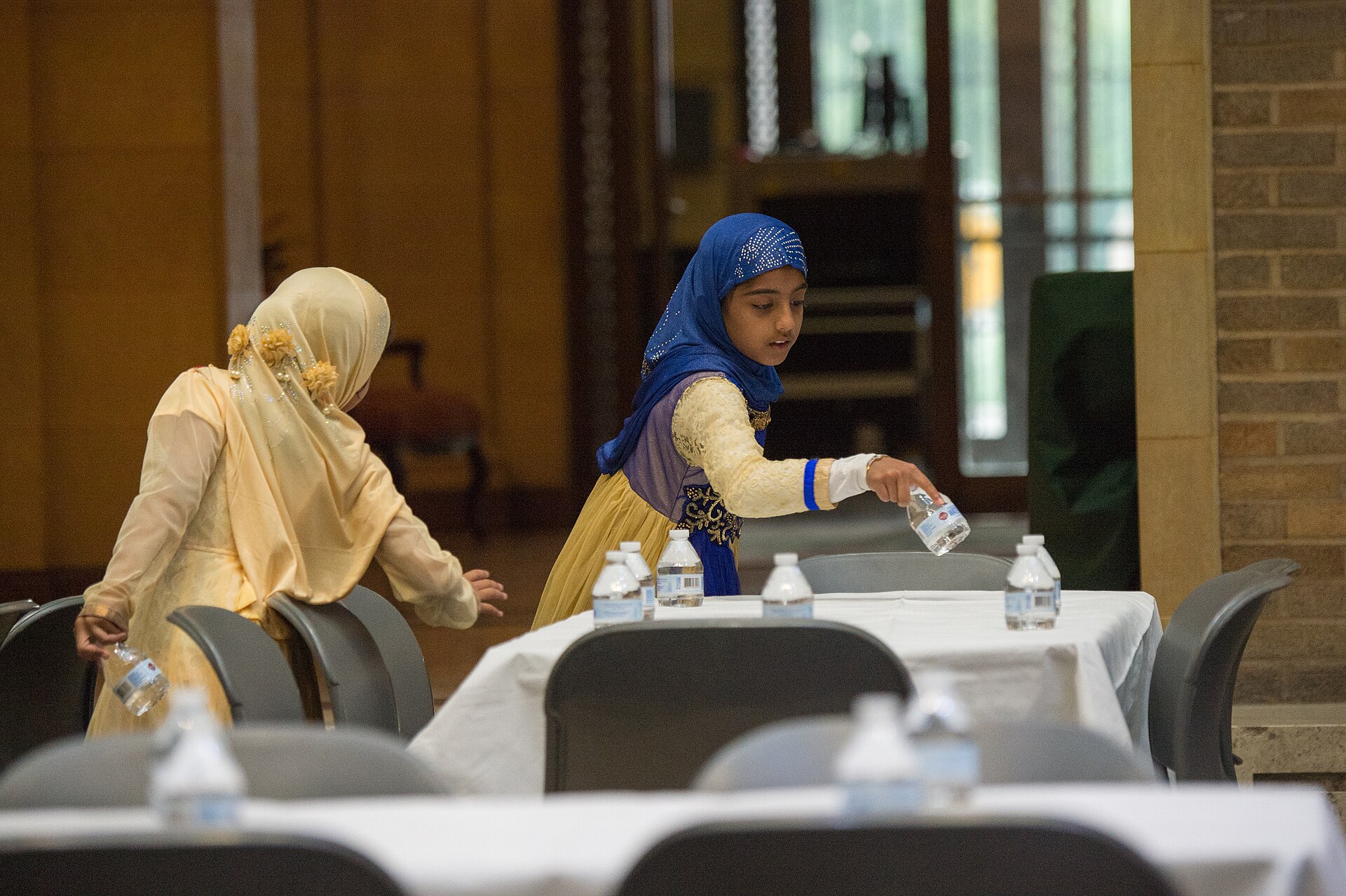
Every evening for a month each year, a very large number of people sit down to eat at exactly the same moment. That sentence sounds mundane until you look at what UNESCO actually inscribed in 2023: not a dish, but “Iftar/Eftari/Iftar/Iftor and its socio-cultural traditions” — the entire social machinery of the sunset meal that ends the day’s fast in Ramadan.
It was nominated jointly by Azerbaijan, Iran, Türkiye and Uzbekistan, and recorded under reference No. 01984 with the inscription decision 18.COM 8.B.19. It is one of the clearest examples of how the Intangible Cultural Heritage list works: it protects a practice, and the practice here is hospitality at scale.
What the official text describes
UNESCO’s own description is worth reading closely, because it names things most travel writing skips:
Iftar is observed by Muslims at sunset in the month of Ramadan, upon completion of all religious and ceremonial rites. Observed by people of all ages, genders and backgrounds, it marks the daily termination of the hardships of fasting from dawn to sunset.
The text then lists what happens after the prayer — and this is the part that makes it a living tradition rather than a meal:
- Praying ceremonies and recitation
- Music and storytelling
- Games, often played late into the night
- Preparing and serving traditional and local meals together, not individually
- Marriage arrangements — Ramadan is, in much of the region, peak season for introductions and engagements
Two more details from the dossier are worth carrying with you. First, the rituals are practised also by people who do not necessarily fast — participation is social, not conditional on piety. Second, the knowledge is transmitted within families: children and young people are deliberately entrusted with preparing components of the meal, and in the process are taught the values the meal is meant to carry. Iftar is explicitly described as strengthening charity, solidarity and social exchange.
The shape of the meal
Across all four nominating countries the sequence is remarkably stable, even when the food is not:
| Stage | What happens | Why |
|---|---|---|
| The break | Dates, water, sometimes milk or a sweet drink | Sugar and fluid first, after a long day without either |
| The soup | A hot liquid course — often the most beloved dish on the table | Gentle on a stomach that has been empty for ~15 hours |
| The main event | Rice, bread, grilled meat, stews, stuffed vegetables | The substantial course; portions are large |
| Sweets | Pastry, syrup desserts, fruit, nuts | Regional specialities, often made only in Ramadan |
| Tea and talk | Long, unhurried, often past midnight | The actual point of the evening |
Then the cycle repeats: a light pre-dawn meal, and a long day until sunset.
What changes from country to country
- Iran — the soup course is a serious matter, and āsh in its many forms is central. Ramadan also shifts the rhythm of the whole city: shop hours, traffic and dinner reservations all move to the night.
- Türkiye — the Iftar table is often an occasion at a restaurant as much as at home, and the drummers who walk the streets before dawn to wake people for the pre-dawn meal are a tradition in their own right.
- Uzbekistan — the Central Asian version leans on plov, the rice dish cooked in enormous quantities, and on bread from the tandyr; communal Iftar in a courtyard or mosque yard is common.
- Azerbaijan — the table combines the Caucasus and the Iranian world, with a strong emphasis on the sweet course and on tea service all evening.
Notice how little of this depends on a specific recipe. The element that UNESCO listed is the shared structure: the simultaneity, the invitation, the ordering of the courses, and the obligation to feed people who are not your family.
How a traveller fits in
Iftar is one of the few major religious observances that is structurally welcoming to outsiders, because feeding people you don’t know is the point.
Five practical notes:
- Say yes when invited. In the region, an invitation to Iftar is closer to a courtesy than a favour. Refusing repeatedly reads as coldness, not modesty.
- Bring something. A box of dates, sweets or fruit. Small is fine; arriving empty-handed to a home is not.
- Eat when they eat. Don’t start early because you’re hungry, and don’t pester the table with questions during the first five minutes — that window belongs to the fasters.
- Don’t eat in the street by day. In conservative cities during Ramadan this is genuinely offensive, and in some places (including parts of Iran) it is legally delicate. Eat indoors.
- Ask about the soup. Almost everywhere, the soup course is where family identity lives. “What’s in this?” is the question that opens the best conversations of the trip.
If you’re in a city during Ramadan and have no invitation, most large mosques and many neighbourhoods run public Iftar — long tables set out for anyone who turns up. Walk up, sit down, eat. That is not charity being done to you; it is the element being practised, and you are taking part in it exactly as intended.
What the inscription actually protects
Listing a meal sounds soft. It isn’t. Inscription puts the transmission of skills on record: which generation teaches which child to make which component, and whether that chain still works.
The risk UNESCO is guarding against is not that Iftar will disappear — it clearly won’t. It is that the cooking and the gathering will hollow out into takeaway and television, so that the simultaneity survives while the shared labour and the intergenerational teaching quietly don’t. That is a very ordinary kind of loss, and it is happening to food cultures everywhere.
The verdict
Iftar is the single best entry point into the region’s food culture, because it comes with an invitation built in. If your travel dates can be arranged around Ramadan at all, do it — not for the fasting, but for the one month a year when the entire social life of a city reorganises itself around a shared table.
The correct response to “Iftar?” is never a long explanation. It is “Yes. Thank you.”
Frequently asked questions
What exactly did UNESCO inscribe in 2023?
Not a recipe. The element is 'Iftar/Eftari/Iftar/Iftor and its socio-cultural traditions' — the whole social complex around the sunset meal: the gathering, the charity, the storytelling, the games, the marriage arrangements and the transmission of knowledge between generations. Four countries nominated it jointly: Azerbaijan, Iran, Türkiye and Uzbekistan.
Can a non-Muslim traveller attend an Iftar?
Often yes, and in many places you will be invited before you can ask. The etiquette is simple: accept if you mean it, arrive clean, bring something small and edible if you are visiting a home, and eat what you are given. You are not expected to fast, but you should not eat openly in the street during daylight hours in conservative areas.
Is Iftar the same everywhere?
No. The structure is shared — dates and water first, then soup, then the main dish, then sweets and tea — but the dishes change completely between countries, and sometimes between neighbourhoods.