Food · Maghreb
Couscous: The Dish That Four Countries Nominated Together
Couscous isn't just food — it's a ceremonial craft inscribed by UNESCO in 2020 on a joint nomination from Algeria, Morocco, Tunisia and Mauritania.
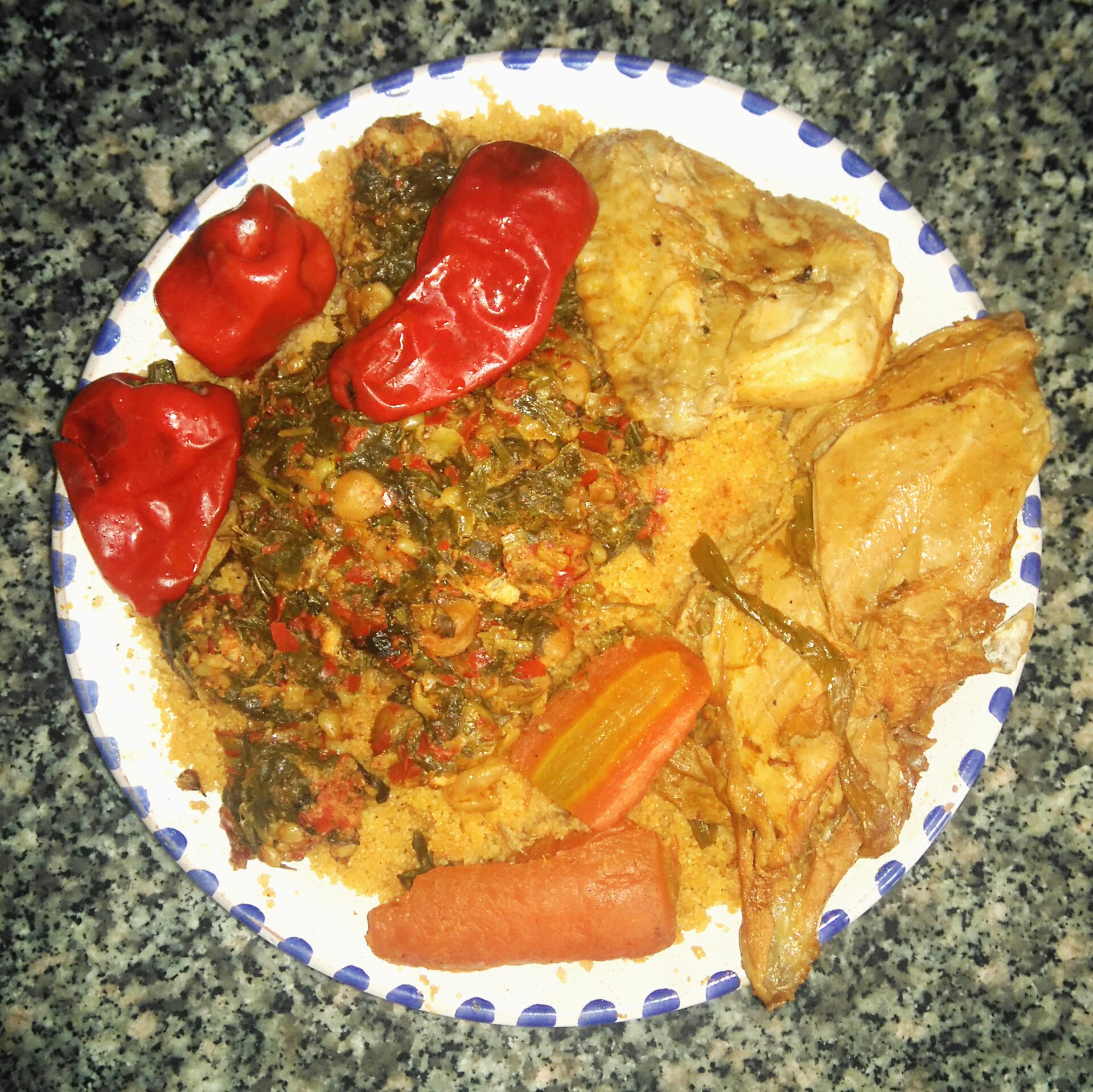
In December 2020, UNESCO added something to its Intangible Cultural Heritage list that most travellers would never think of as “heritage” at all: the knowledge, know-how and practices pertaining to the production and consumption of couscous.
The remarkable part isn’t the dish. It’s who nominated it. Algeria, Mauritania, Morocco and Tunisia filed a single joint submission — element number 01602 — a rare instance of four neighbouring states claiming one tradition together rather than competing over it. When the decision was announced, Tunisia’s then-ambassador to UNESCO described couscous as a “catalyst for Maghreb unity,” which is a sentence you do not often get to write about lunch.
It’s a process, not a recipe
What UNESCO actually inscribed is best understood as a chain of skills:
- Growing the cereal.
- Grinding it to obtain semolina.
- Rolling the semolina by hand into granules — the step that gives couscous its texture and the one most often done by women, working in groups.
- Steaming, then cooking.
- Serving with vegetables and meat that vary by region, season and occasion.
The inscription explicitly notes the tools as part of the heritage: clay vessels made by potters, wooden utensils made by cooperatives or family-run workshops. And it notes how the knowledge travels — informally, “through observation and imitation,” which is to say: by standing next to someone in a kitchen and being handed a bowl.
UNESCO’s own citation describes couscous as a dish “replete with symbols, meanings and social and cultural dimensions all linked to solidarity, conviviality, sharing meals and togetherness.”
That framing is the useful one for a traveller. Couscous is not a menu item you order and eat alone. It is, in its traditional form, an event — the dish that appears for weddings, for funerals, for the return of someone from abroad, for Friday.
What it looks like on the table
The regional variations are real and worth knowing, because ordering “couscous” gives you different things in different countries:
| Where | What to expect |
|---|---|
| Morocco | Seven vegetables, often lamb or chicken; sweet-savoury versions with raisins and onions |
| Tunisia | Harissa and a burnt-orange colour; frequently seafood on the coast |
| Algeria | Varied regional styles; a strong ceremonial role at weddings |
| Mauritania | The western edge of the same tradition, with its own grains and accompaniments |
The grain itself also changes: in parts of the Maghreb you’ll meet berkoukes (larger hand-rolled pearls) and mhamsa, both of which sit under the same inscribed umbrella of hand-rolled durum wheat.
In Iran and the Levant, a different grain
Couscous is Maghrebi, but the wider region has its own versions of the “grain plus stew” idea — and Iran’s answer is rice. Persian chelow with khoresh, layered and crusted into tahdig, is the same conceptual dish built from a different staple. If you’re travelling east from North Africa, expect the form to survive and the grain to change.
How to eat it well as a visitor
- Accept the invitation to the table. In much of the region, being invited for couscous is not a casual offer. If someone asks, the answer is yes.
- Ask about the occasion. How a couscous is served tells you what it’s for. Friday couscous and wedding couscous are not the same meal.
- Use the right hand when eating communally from a shared dish.
- Compliment the cook, not just the food. The skill is the heritage; the hospitality is the point.
The honest verdict
Couscous has become one of the most globally exported dishes in the world, and the versions you meet in supermarkets have almost nothing to do with the inscribed tradition — no hand-rolling, no steaming in stages, no group of women around a wide shallow dish. Seek out the real version at least once, ideally in a home rather than a restaurant. It is one of the clearest cases in the region where the process is the point, and the plate is only the evidence.
Frequently asked questions
What is couscous exactly?
Couscous is both the ingredient and the dish: durum wheat ground into semolina, rolled by hand into tiny granules, steamed, then served with a broth of vegetables and meat. In the Maghreb the word covers the whole ceremonial process, not just the food.
Which countries is couscous from?
It is a shared tradition of the Maghreb. Algeria, Mauritania, Morocco and Tunisia submitted a single joint nomination to UNESCO, which inscribed the element in 2020 — a rare case of four countries claiming one heritage together.
Is couscous always savoury?
No. Savoury versions with vegetables and meat are the everyday form, but sweet versions exist too — with almonds, cinnamon, sugar, and rose or orange flower water, sometimes with raisins.