Destinations · Uzbekistan
Samarkand, Uzbekistan: Beyond the Registan
The Registan deserves its fame, but Samarkand is 2,750 years old and a UNESCO site since 2001. What else the city holds, and how to see it without rushing.
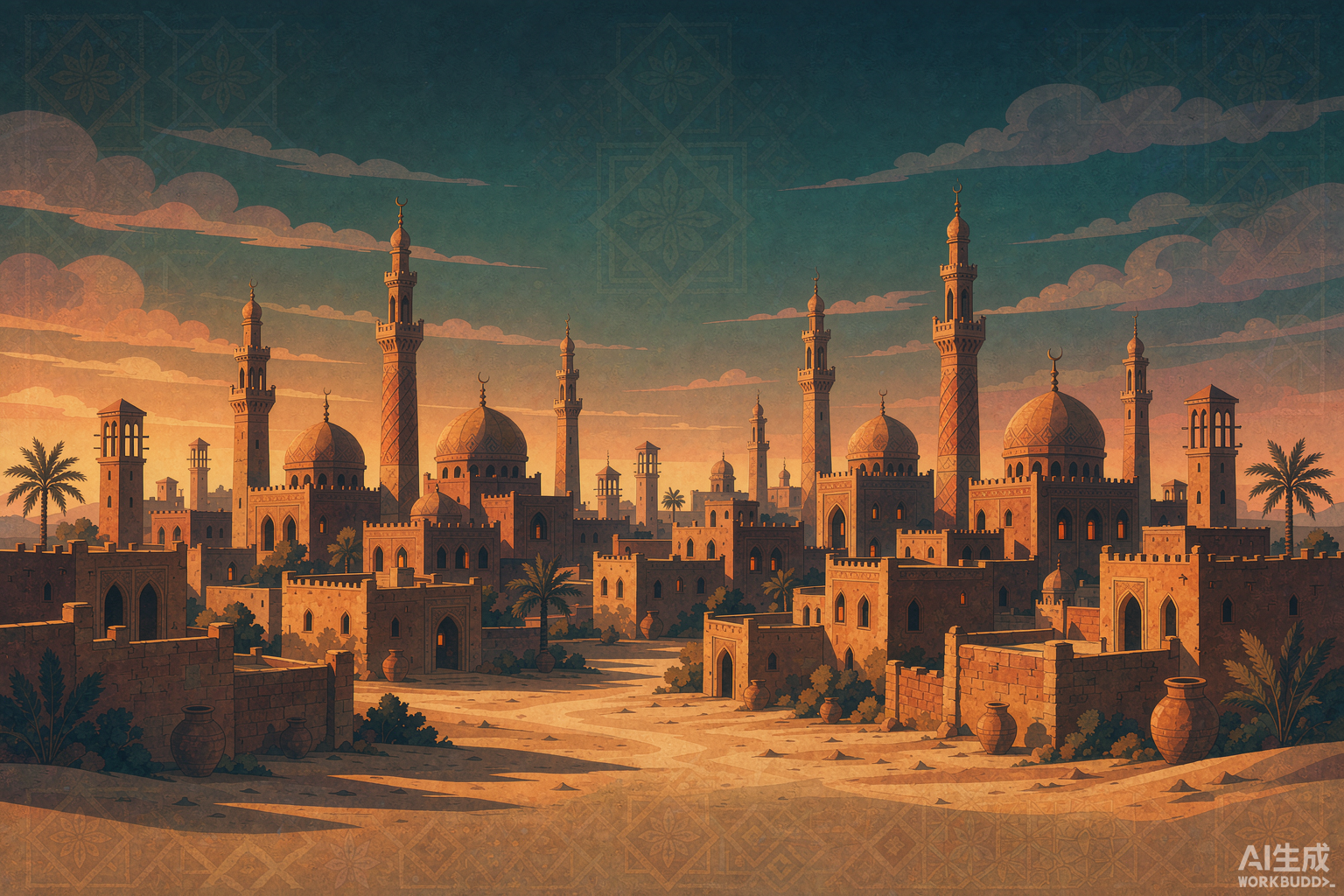
The Registan is one of the very few places on earth that survives the photograph. Three madrasahs facing each other across a square, every inch of facade covered in geometric tilework that changes character by the hour — pale gold at dawn, molten at sunset, ghostly under the night illuminations. Go twice: once at opening (8am, before the buses) and once after dark.
But here is the thing almost every visitor gets wrong: they leave right after the Registan, and Samarkand — a UNESCO World Heritage site since 2001, inscribed as “Crossroad of Cultures” — is much more than its famous square.
What the UNESCO inscription actually covers
The World Heritage listing is for the whole historical layering of the city, not one monument. Three zones matter:
1. Afrasiyab. The hill north-east of the modern centre is what remains of the original Sogdian city — founded by the 7th century BC, destroyed by Genghis Khan’s army in 1220. The Afrasiyab Museum at its edge holds the great 7th-century wall paintings from a Sogdian noble’s house: ambassadors, merchants, snow leopards. It is the single best hour of museum time in Uzbekistan, and most visitors never go.
2. The Timurid core. The Registan, the Gur-e Amir (Tamerlane’s tomb, its jade-slab interior dim and serious), the Bibi-Khanym Mosque, and the Shah-i-Zinda necropolis — a lane of mausoleums so dense with glazed tile that it feels like walking through a kaleidoscope. Shah-i-Zinda at sunset is the photograph everyone wants and few get, because the tour groups leave by 5pm. Stay until 6.
3. The observatory. Ulugh Beg’s observatory (1420s) survives only as a fragment — a trench carved into the hill that once held a six-storey sextant. Ulugh Beg measured the length of the year to within a minute of the modern figure, using this building. Scientists, not just culture-seekers, make the pilgrimage; it’s 15 minutes by taxi from the centre.
An honest two-day shape
- Day 1 morning: Registan at opening, then the bazaar behind Bibi-Khanym.
- Day 1 afternoon: Gur-e Amir, then Shah-i-Zinda late.
- Day 2 morning: Afrasiyab museum and site, then Ulugh Beg’s observatory.
- Day 2 evening: the Registan again, lit, from a rooftop café with tea.
Practical notes
- The train is the way to arrive: Afrosiyob from Tashkent, two hours, reserved seats.
- Money: cash (UZS) is still king outside hotels; ATMs exist but are not everywhere.
- Language: Russian is the common second language; English is common among people under 30 in tourism.
- Combine it: Bukhara (inscribed 1993) is 2 hours further by train, and Khiva’s walled inner city, Itchan Kala — Uzbekistan’s first World Heritage site, inscribed all the way back in 1990 — is the third point of the triangle. Two weeks covers all three properly.
The verdict
Samarkand is no longer the closed, mysterious city it was even fifteen years ago — the visas are easier, the trains are new, and the visitors have started to come. The Registan will be busy. But Afrasiyab’s hill, the observatory trench, and Shah-i-Zinda at six in the evening are still yours. Go before the numbers change the character.
Frequently asked questions
Is Samarkand better than Bukhara?
Different. Samarkand is monumental — the Registan has no equal anywhere. Bukhara is more intimate, a whole medieval centre you can walk in a day. If you can only do one and love architecture at street scale, choose Bukhara; for the single greatest ensemble, Samarkand.
Do I need a visa for Uzbekistan?
Most Western nationalities enter visa-free for 30 days, and an e-visa covers many others. Check the current rules before booking, as the policy has been liberalised repeatedly since 2018.
How do I get to Samarkand?
The Afrosiyob high-speed train from Tashkent takes about 2 hours 10 minutes and is the single best-value rail journey in Central Asia. Book a few days ahead in high season.